
Improving employee engagement has become a priority for organisations looking to strengthen performance, retain talent and create healthier workplace cultures. This guide explains how to improve employee engagement in the workplace using evidence-based strategies, practical actions and the latest research from trusted industry sources.
What is employee engagement?
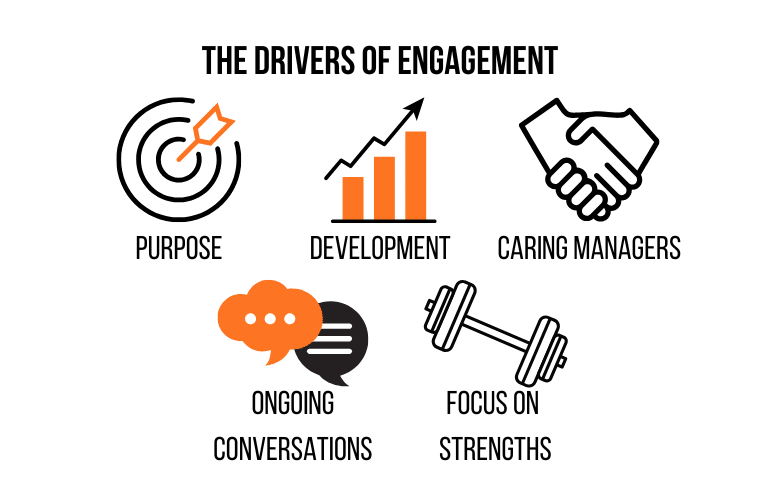
Employee engagement describes the emotional commitment employees have towards their organisation, their team and their work. Engaged employees are more likely to contribute ideas, collaborate effectively and take ownership of their responsibilities. According to the CIPD, engagement is influenced by meaningful work, supportive leadership, employee voice, trust and opportunities for development. Rather than being measured solely through job satisfaction, engagement reflects how connected employees feel to organisational goals and whether they are motivated to perform at their best.
Why does employee engagement matter?
Employee engagement directly influences organisational performance. Gallup found that only 20% of employees worldwide were engaged, with disengagement costing the global economy an estimated $10 trillion in lost productivity. Organisations that improve engagement often experience stronger retention, better customer service and increased productivity. For example, a leadership conference focused on communication and management skills can equip managers with practical techniques that improve team relationships long after the event has finished.
How to Improve Employee Engagement
There is no single solution for improving engagement. Successful organisations create environments where employees feel trusted, recognised and supported by their leaders. We have put together the following methods to get you started on improving your employee engagement rates:
- Strengthen Leadership Communication
- Recognise Great Work Regularly
- Invest in Learning and Career Development
- Prioritise Employee Wellbeing
- Act on Employee Feedback
1. Strengthen Leadership Communication
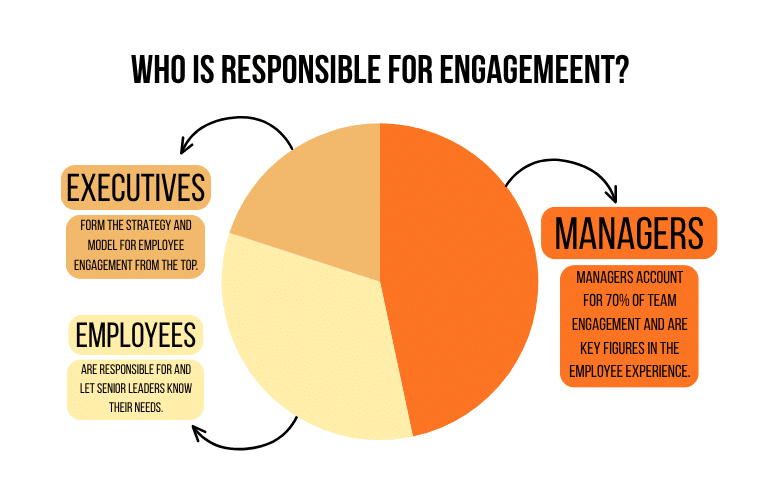
Clear communication builds trust and helps employees understand how their work contributes to wider business objectives. Leaders who communicate consistently reduce uncertainty and encourage greater collaboration across teams. Reports state that managers account for 70% of the variance in team engagement, demonstrating the significant influence leadership has on workplace culture. Organisations can improve communication by holding regular one-to-one meetings, sharing business updates transparently, encouraging questions and ensuring managers are trained to have meaningful coaching conversations rather than relying solely on performance reviews.
2. Recognise Great Work Regularly
Employees who feel appreciated are more likely to remain motivated and committed to their organisation. Recognition does not always require financial rewards; timely praise, celebrating achievements and acknowledging contributions publicly can have a lasting impact. Recognition is one of the core drivers of engagement within workplace research, yet other sources highlight appreciation as an important contributor to positive employee experiences. Businesses can embed recognition into everyday operations by encouraging peer recognition, celebrating milestones and training managers to provide specific, meaningful feedback whenever employees perform well.
3. Invest in Learning and Career Development
People are more engaged when they can see opportunities to develop their skills and progress professionally. Career development demonstrates that an organisation values long-term growth rather than short-term output. Development opportunities are one of the five essential drivers of engagement, encouraging organisations to invest in continuous learning and coaching. Practical initiatives include mentoring schemes, personalised learning plans, internal promotions, professional qualifications and leadership development programmes. Businesses that actively support employee growth often benefit from stronger retention while building future leadership capability across the organisation.
4. Prioritise Employee Wellbeing
Employee wellbeing and engagement are closely connected. Heavy workloads, poor work-life balance and unmanaged stress reduce motivation and increase turnover. It is recommended to create supportive cultures where wellbeing forms part of everyday management rather than a standalone initiative. Organisations can encourage healthier working practices through flexible working, realistic workloads, access to wellbeing support and regular wellbeing conversations. Leaders who model healthy behaviours themselves help create psychologically safe environments where employees feel comfortable discussing challenges before they become significant issues.
5. Act on Employee Feedback
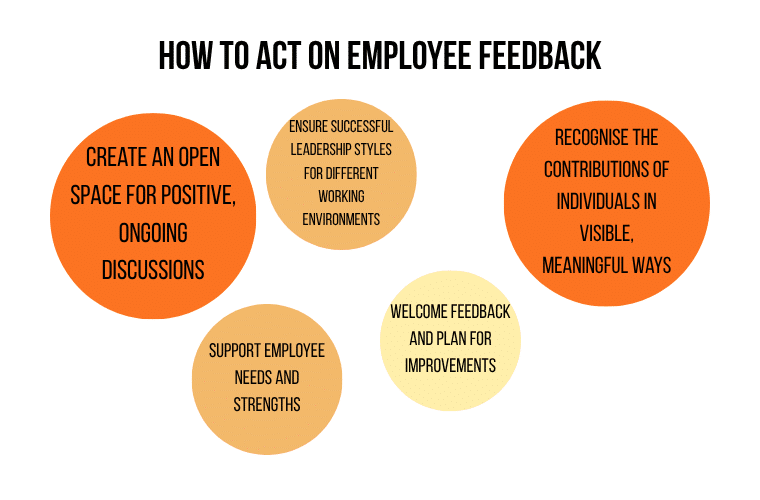
Collecting employee feedback is only valuable if organisations respond with visible action. Employees quickly become disengaged when surveys produce no meaningful change. Engagement strategies are most successful when leaders use employee feedback to guide coaching, improve communication and strengthen workplace relationships rather than treating surveys as a compliance exercise. Organisations should share survey results openly, explain what actions will follow and provide regular progress updates. Demonstrating that employee opinions influence business decisions strengthens trust and encourages greater participation in future engagement initiatives.
Speakers to Improve Employee Engagement
Employee engagement is shaped by effective leadership, workplace culture, communication and trust. The following speakers bring expertise across these areas, equipping organisations with practical strategies that help leaders build motivated, productive and committed teams.
- Ruby Wax – Ruby is an acclaimed mental health campaigner, author and broadcaster who helps organisations understand stress, resilience and workplace wellbeing. Her engaging presentations give leaders practical ways to create psychologically safe environments that improve employee engagement and support long-term performance.
- Ben Hunt-Davis – Olympic Gold medallist Ben Hunt-Davis demonstrates how marginal improvements, accountability and shared goals create high-performing teams. His evidence-based approach helps organisations improve collaboration, motivation and employee engagement through continuous improvement.
- Jez Rose – Behavioural scientist and leadership expert Jez Rose explores human behaviour, communication and organisational culture. His practical insights help businesses strengthen relationships, encourage ownership and develop workplaces where employees feel genuinely engaged.
- Katy Leeson – Former CEO and workplace culture advocate Katy Leeson shares authentic leadership lessons drawn from transforming organisational culture. She inspires leaders to prioritise employee wellbeing, trust and engagement to achieve sustainable business success.
- Prof. Damian Hughes – Internationally recognised organisational psychologist Prof. Damian Hughes combines academic research with elite sporting examples to explain how culture, leadership and purpose improve engagement and unlock consistent high performance.
- John Amaechi OBE – Psychologist, bestselling author and former NBA player John Amaechi helps organisations build inclusive cultures where employees feel respected, valued and motivated to contribute their best work every day.
- Matthew Syed – Bestselling author and performance expert Matthew Syed explains how growth mindset, learning cultures and psychological safety encourage innovation while increasing employee engagement across organisations.
- Rene Carayol MBE – Executive leadership expert Rene Carayol advises global organisations on inclusive leadership, cultural transformation and performance. His keynote presentations help leaders inspire teams and create environments where engagement naturally thrives.
- Zannah Ryabchuk – Leadership strategist and executive coach Zannah Ryabchuk specialises in helping leaders navigate organisational change while maintaining trust, communication and employee commitment during periods of transformation.
- Silvia Garcia – Former Global Director of Marketing at the Happiness Institute at Coca-Cola, Silvia shares science-backed strategies for creating happier workplaces where engagement, collaboration and customer experience improve together.
- Kim Blue – Leadership consultant and organisational culture specialist Kim Blue empowers leaders to build inclusive, purpose-driven workplaces that strengthen employee belonging, engagement and long-term organisational performance.
- Raina Brands – Professor Raina Brands is an expert in leadership networks, organisational behaviour and collaboration. Her research helps businesses understand how stronger workplace relationships improve engagement, innovation and team effectiveness.
- Caspar Craven – Entrepreneur, author and leadership speaker Caspar Craven combines real-world business experience with inspiring lessons on resilience, teamwork and purpose, helping organisations strengthen employee commitment and collective performance.
- Pauline Miller – Former Financial Times executive Pauline Miller speaks on purposeful leadership, communication and workplace wellbeing. She helps organisations develop cultures where employees feel empowered, appreciated and engaged.
- Blaire Palmer – Leadership expert and bestselling author Blaire Palmer challenges traditional management thinking, encouraging leaders to build trust, autonomy and stronger workplace relationships that lead to lasting employee engagement.
Hire an Employee Engagement Speaker Today!
Investing in employee engagement creates stronger workplace cultures, improves retention and helps organisations achieve sustainable business performance. If you are interested in hiring an employee engagement speaker, contact us today by calling us on 0203 0070 320, or alternatively, fill out our online contact form to discuss the ideal speaker for your event.

